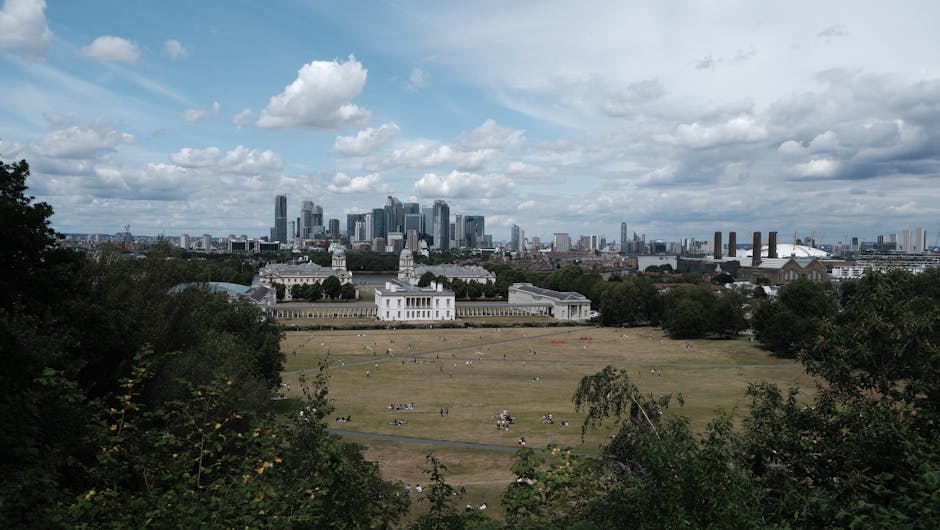
What to know about gardener charges in Royal Borough of Greenwich
If you are trying to work out what to know about gardener charges in Royal Borough of Greenwich, you are probably in one of two camps: you need a one-off tidy-up, or you are comparing quotes and trying not to overpay. Fair enough. Garden pricing can feel a bit slippery at first because the final figure depends on the size of the job, the state of the garden, access, and what equipment or waste removal is involved.
This guide breaks it down in plain English. You will learn how charges are usually structured, what affects the price, where people often get caught out, and how to judge whether a quote is reasonable. Along the way, we will cover practical examples, decision-making tips, and the kinds of questions worth asking before anyone starts pruning, mowing, or hauling a heap of green waste across the lawn at half past eight on a damp Saturday morning.
For a fuller view of the services that typically sit behind a quote, it can also help to look at the wider services overview and the provider's pricing and quotes approach. Those pages are useful because they show how a company frames its work before you even speak to them.
Table of Contents
- Why gardener charges in Greenwich matter
- How gardener pricing usually works
- Key benefits and practical advantages
- Who this is for and when it makes sense
- Step-by-step guidance
- Expert tips for better results
- Common mistakes to avoid
- Tools, resources and recommendations
- Law, compliance, standards, or best practice
- Options, methods, or comparison table
- Case study or real-world example
- Practical checklist
- Conclusion
- Frequently asked questions
Why gardener charges in Greenwich matter
Gardening is one of those services where price and value do not always line up neatly. A cheap quote can look attractive until you realise it excludes waste removal, skips awkward access, or assumes the garden is already close to "just needs a quick tidy" status. On the other hand, a higher quote may be perfectly sensible if the job involves overgrown beds, tough hedge cutting, or several hours of clearance after months of rain and neglect.
In the Royal Borough of Greenwich, gardens can vary a lot. Some homes have compact courtyards, some have narrow side access, and others have long back gardens with mature planting that needs careful handling. That variation matters because gardeners usually price the real job, not the postcode alone. And that is the key point: charges are shaped by effort, time, disposal, and risk.
It also matters because a well-maintained garden can prevent bigger costs later. Regular lawn mowing, hedge trimming, and general garden maintenance often reduce the need for heavy clearance or expensive recovery work. Truth be told, a little attention now is usually easier on the wallet than a full spring rescue later.
If you are weighing up a broader service package, pages like garden maintenance, lawn mowing, and hedge trimming can help you understand how different tasks fit together in a typical quote.
How gardener pricing usually works
Most gardener charges in Greenwich fall into one of a few models. The exact structure depends on the company and the nature of the job, but the logic is usually straightforward.
Hourly rate
This is common for smaller jobs, ongoing maintenance, or visits where the workload is hard to predict. Hourly billing works well when the garden is in decent shape and the scope is flexible. It can be useful if you want a gardener to keep going until the key tasks are done, though it is worth asking what the hourly rate includes.
Fixed price
For clearer jobs, like a defined hedge trim, a lawn cut, or a garden clearance with a visible amount of waste, a fixed quote is often easier to manage. You know the cost in advance, which helps with budgeting. Just make sure the quote clearly states what is included and what would count as extra work.
Per visit or contract pricing
Some clients prefer scheduled visits, such as fortnightly or monthly maintenance. In those cases, the gardener may charge per visit or offer a package for regular care. This can be good value if you want consistency, and it tends to suit gardens that benefit from steady attention rather than occasional rescue missions.
Job-based pricing
Specialist work like landscaping, garden redesign, decking, or tree-related tasks is often priced by project. These jobs usually involve more planning, more tools, and sometimes more than one person. For example, a landscaping project is not the same as a quick trim and mow; it may involve material handling, preparation, and follow-on work.
The biggest thing to remember? A quote is not just a number. It is a snapshot of scope. A good quote tells you what the gardener believes the job involves, and that is where the real comparison begins.
Key benefits and practical advantages
Understanding gardener charges is not only about saving money. It is also about getting the right kind of work done without fuss.
- Better budgeting: You can plan for routine care instead of being surprised by a big seasonal bill.
- Cleaner comparisons: Once you know what affects price, you can compare quotes fairly, not just pick the lowest.
- Less waste: Regular maintenance often stops small issues turning into messy, expensive ones.
- Improved garden health: Lawns, hedges, and beds usually respond better to consistent care than dramatic catch-up work.
- More confidence: You will know when a quote is sensible, when it needs clarification, and when it is missing something important.
There is also a practical comfort in having a schedule. If your garden starts looking tidy through the week and then slowly gets unruly again by the next visit, you know the cadence is about right. That kind of rhythm matters more than people think.
For homeowners comparing ongoing care with occasional clear-outs, services like garden clearance and garden maintenance often solve very different problems, even if they sound similar at first.
Who this is for and when it makes sense
This topic is useful for a wide range of people, not just homeowners with a jungle at the back of the house. In our experience, the people who benefit most from understanding gardener charges are the ones who are trying to make a sensible decision, not simply a cheap one.
- Busy households: If you do not have time for regular mowing, weeding, and tidying, predictable charges help you keep the garden under control.
- Landlords and letting agents: End-of-tenancy condition, curb appeal, and quick turnaround can all depend on efficient, well-priced garden work.
- Older homeowners: Physical tasks like hedge cutting or waste handling can become awkward or unsafe to do alone.
- First-time buyers: New owners often inherit a garden that needs more care than expected.
- People planning a redesign: If you are thinking about layout changes, decking, or landscaping, pricing needs to be understood before work begins.
Sometimes the decision is simple: the grass is knee-high, the hedge is leaning over the path, and you just need help. No drama. Other times, it is more strategic. You might be balancing a few small jobs now against a larger outdoor project later. That is where looking at decking services or landscape gardening can make sense, even if your immediate need is only a tidy-up.
Step-by-step guidance
If you want to handle gardener charges well, use a simple process. It keeps things calm and makes the quote much easier to assess.
- List the actual tasks. Be specific. Mowing, hedge trimming, weed removal, pruning, clearance, edging, waste removal, and any special access issues.
- Separate one-off work from ongoing work. A one-time clearance is a different job from regular maintenance.
- Take a few photos. Good images help a gardener see the size of the task and reduce guesswork.
- Ask what is included. Check labour, tools, fuel, disposal, and follow-up tidying.
- Clarify timing. Some jobs take 45 minutes. Others take all morning. The difference matters.
- Compare like for like. Compare quotes only after you know they cover the same scope.
- Confirm access and parking. In Greenwich, tight streets and limited parking can affect arrival time and workload.
- Request the quote in writing. A written quote protects both sides and reduces misunderstandings.
A small tip, but a useful one: if you think the job might expand once the gardener starts, say so early. It is far better to admit "there may be more to do than I can see" than to surprise everyone halfway through the first hour. Happens all the time.
Expert tips for better results
Here is where a bit of local experience helps. Good pricing is not only about asking for a number; it is about helping the gardener price accurately.
1. Be honest about the condition of the garden
If the beds are full of debris, the hedge has not been cut in a year, or the lawn is hiding all sorts of surprises, say so. Hiding the mess usually leads to awkward extra charges later. And frankly, gardeners can spot a "simple job" that is not simple within about ten seconds.
2. Ask about waste removal before the work begins
Green waste is not always included. Some companies bundle it in, while others charge separately. If there are large branches, cuttings, or clearance waste, get clarity early.
3. Match the service to the season
Spring and early summer often create more demand for mowing, pruning, and tidying. Autumn can bring more clearance and leaf-related work. Charges may vary depending on urgency and workload, so timing can matter.
4. Think in terms of outcomes, not just tasks
It is easy to ask for "a quick tidy," but what does that really mean? A neater lawn? Clear pathways? Tamed hedges? Less waste? The clearer the outcome, the more meaningful the quote.
5. Use the same standard each time you compare
One gardener might include edging and sweep-up. Another might not. That is why comparison without detail can be misleading.
Expert summary: The fairest gardener quote is the one that matches the actual work, not the one that merely looks cheapest on the page. If two prices differ, it is usually because the scope differs too.
If you are looking beyond routine maintenance, it is worth reviewing the provider's approach to insurance and safety and health and safety. Those details matter more than many people expect, especially for larger jobs.
Common mistakes to avoid
Most pricing problems come from misunderstanding, not bad intent. Still, a few mistakes come up again and again.
- Choosing only on price: The cheapest quote can miss key work or leave you paying twice.
- Not asking about waste: Disposal charges can change the total quite a bit.
- Vague instructions: "Sort the garden out" is too loose for a fair price.
- Ignoring access issues: Narrow side alleys, staircases, or no-parking streets all affect how work is done.
- Assuming every gardener does every job: Lawn care, hedge work, clearance, and landscaping can involve different skill sets.
- Skipping a written quote: Without it, disagreements are much harder to resolve.
One common trap is treating garden work like a standard menu. It rarely is. A neat front garden with easy access is not the same as a long, overgrown back garden with broken access and a stack of old plant pots that have somehow multiplied over winter. Gardens do that. They really do.
Tools, resources and recommendations
You do not need a specialist toolkit just to compare charges, but a few practical resources help a lot.
- Photos and short videos: Helpful for getting a more accurate quote without an unnecessary site visit.
- A simple task list: Write down what needs doing, then mark what is optional.
- A rough budget: Decide the top amount you are comfortable with before requesting quotes.
- A calendar: If work is seasonal, book ahead so you are not forced into a last-minute decision.
For residents and property managers who want a broader service relationship, the company's about us page can help you assess whether the tone and approach feel right, while contact us is the obvious next step when you are ready to discuss scope.
You may also want to consider whether regular upkeep, such as lawn mowing and hedge trimming, is a better fit than waiting for occasional large-scale work. In many gardens, the calmer option is the cheaper one over time.
Law, compliance, standards, or best practice
Gardening services are not usually complicated from a legal point of view, but there are still sensible standards to keep in mind. A reputable gardener should be clear about what is included, how waste is handled, and how safety is managed on site.
Best practice usually includes:
- Clear written quotes or job descriptions so both sides understand the scope.
- Appropriate insurance where relevant, especially for larger or riskier work.
- Safe working methods for tools, ladders, cutting equipment, and manual handling.
- Responsible waste handling for green waste and clearance material.
- Respect for property boundaries and neighbouring spaces.
If a job involves taller trees, heavy cutting, or difficult access, caution matters. Work like tree lopping and removal may require a different level of planning and risk awareness from ordinary garden maintenance. That is not a place to cut corners, no pun intended.
It is also sensible to review operational policies such as payment and security and recycling and sustainability. These pages can tell you a lot about how a company works, even before you ever pick up the phone.
Options, methods, or comparison table
Here is a straightforward comparison of common pricing approaches and when each tends to suit the job best.
| Pricing method | Best for | Pros | Watch-outs |
|---|---|---|---|
| Hourly rate | Flexible or uncertain jobs | Simple to start; useful when scope may change | Total cost can rise if the garden is more complex than expected |
| Fixed quote | Clear, defined tasks | Easy to budget; less stress about the final bill | Needs a precise scope, or extras may apply |
| Regular visit package | Ongoing garden care | Predictable, often better value over time | May not suit one-off clearance work |
| Project-based pricing | Landscaping, decking, larger transformations | Reflects planning, labour, and materials more accurately | Requires a good brief and sometimes a site visit |
For a lot of Greenwich gardens, the sweet spot is a mix. Regular maintenance handles the day-to-day, then a separate project quote covers bigger jobs. That is cleaner for everyone.
Case study or real-world example
Imagine a small terraced garden in Greenwich with a lawn, two hedges, and a patch of borders that have gone a bit wild after a few wet weeks. The owner wants the space back in shape before guests arrive next month. They ask for one quote but give only one sentence: "Need garden sorting."
The first quote comes back low, but it only covers mowing. No hedge work. No waste removal. No edging. The second quote is higher, but it includes a full tidy, hedge trimming, a proper sweep-up, and disposal of the clippings. The third is somewhere in the middle, but it assumes access through the house and extra time carrying waste bags. Not ideal.
Once the owner adds photos and a short task list, the prices become easier to compare. The best-value option is not the lowest number. It is the quote that matches the actual condition of the garden and the timing needed. A few clear details changed the whole picture. Simple, but not always obvious in the moment.
That is the real lesson here: better information usually gives you better pricing. And that is true whether you need a light tidy, a full garden clearance, or a larger design-led project.
Practical checklist
Use this checklist before you agree to gardener charges in Royal Borough of Greenwich.
- Write down the exact tasks you want done.
- Decide whether the job is one-off or ongoing.
- Take clear photos of the garden from several angles.
- Ask what is included in the price.
- Ask whether waste removal is covered.
- Check whether the quote is hourly, fixed, or project-based.
- Confirm access, parking, and any special site issues.
- Request the quote in writing.
- Compare multiple quotes on the same scope.
- Review safety, insurance, and payment terms before booking.
If you can tick off most of those points, you are usually in good shape. Nothing fancy. Just sensible.
Conclusion
What to know about gardener charges in Royal Borough of Greenwich comes down to a few plain truths: the price depends on the size and complexity of the work, the way the gardener structures the quote, and whether the job is maintenance, clearance, or a larger project. Once you understand that, the whole process gets much easier.
Ask for clarity. Compare like with like. Pay attention to waste, access, and what happens if the scope changes. Those are the details that separate a decent experience from a frustrating one. And if you are trying to keep things neat without overspending, regular maintenance is often the calm, practical route.
To be fair, the best gardening quote is usually the one that feels clear before the work starts and fair when the job is done. That is the standard worth aiming for.
Get a free quote today and see how much you can save.
Frequently Asked Questions
How are gardener charges usually calculated in Greenwich?
They are usually based on labour time, the size of the garden, the type of work, access, and whether waste needs to be removed. A clear quote should explain what is included.
Is an hourly gardener rate better than a fixed price?
It depends on the job. Hourly rates can work well for flexible or uncertain work, while fixed prices are often better for defined tasks like mowing, hedge trimming, or clearance.
Why do two gardeners quote different prices for the same garden?
Often because they are not quoting for exactly the same scope. One may include waste removal, edging, or extra tidying, while another may not.
Should waste removal be included in the price?
Sometimes yes, sometimes no. It is one of the most important things to check because green waste can change the total cost quite a bit.
What garden jobs usually cost more?
Overgrown gardens, difficult access, large clearances, specialist pruning, and project work like landscaping or decking generally cost more than simple routine maintenance.
How can I get a more accurate quote?
Send photos, explain the tasks clearly, mention access issues, and say whether the garden has been left for a while. The more detail you give, the better the quote is likely to be.
Do I need regular garden maintenance or a one-off clearance?
If the garden is generally under control, regular maintenance may be enough. If it has become overgrown or cluttered, a clearance may be the better first step.
What should be in a written quote?
It should ideally state the tasks, price structure, waste handling, any exclusions, timing, and any assumptions about access or property conditions.
Are landscaping charges different from standard gardening charges?
Yes, usually. Landscaping tends to involve more planning, materials, and labour than routine gardening tasks, so it is often priced as a project rather than a visit.
Can I compare gardener quotes just by total price?
Not safely. You need to compare the scope of work too. A lower price may simply mean less is included.
What is a sensible first step if I am unsure what my garden needs?
Start with a simple assessment: tidy, maintenance, clearance, or redesign. If you are still unsure, ask for a site visit or a quote based on photos and a task list.
How do I know if a gardener is trustworthy?
Look for clear communication, written quotes, sensible payment terms, and visible attention to safety and insurance. The way a company explains its process tells you a lot.