Gardening Services in Greenwich

Gardening Services Greenwich provides practical, well-rounded outdoor care for domestic and small commercial gardens in Greenwich. The main focus is straightforward: keeping planted spaces tidy, workable and visually balanced through garden maintenance, lawn care, hedge trimming, planting support and seasonal clearance. Rather than treating every garden as the same, the work is best approached as a set of tasks that can be combined to suit the condition of the space, the planting already in place and the result the customer wants to achieve.
Our service is built around regular upkeep and one-off improvements. That may include mowing and edging, cutting back overgrowth, tidying borders, removing unwanted growth, lifting the general appearance of paths and beds, or helping a garden move from neglected to manageable. Clear communication matters as much as the tools used, because a good quotation depends on knowing what is present, what should stay, and whether the job is a routine visit or a larger clearance.
If you need gardening services in Greenwich, start with the work that matters most to you and ask for a quotation when you are ready. A short description of the garden, the access and the main priorities is usually enough to begin. Tell us what needs attention and we can guide the next step.
Garden Maintenance for Tidy, Usable Outdoor Spaces
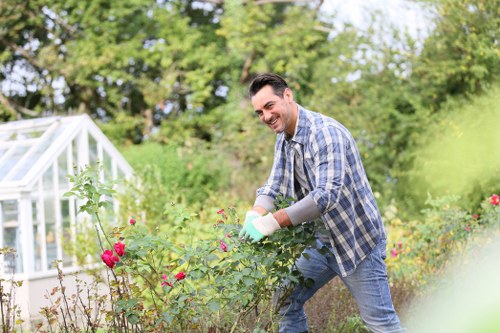
Regular garden maintenance is often the simplest way to keep an outdoor space under control without waiting for it to become overgrown. It can include repeated mowing, border tidying, light pruning, leaf removal and general seasonal upkeep. For many gardens, the aim is not a dramatic change on every visit but a steady standard of care that keeps the space presentable and easier to use throughout the year.
Good maintenance work is also about choosing what not to do. Some plants are best left alone during certain times of year, while others need careful reduction rather than hard cutting. A balanced maintenance plan takes account of the garden’s structure, the type of planting and how formal or relaxed the finish should be. That is especially useful where lawns, shrubs and beds all need different treatment in the same visit.
What routine maintenance can cover
Typical maintenance tasks may be grouped like this:
- grass cutting, edging and basic lawn tidying
- removal of dead leaves and light seasonal debris
- weed reduction in borders, paths and other accessible areas
- minor shaping of hedges, shrubs and soft growth
- general neatening to improve the overall presentation
Lawn Mowing and Grass Care

Lawn mowing is often the most visible part of gardening work, but a neat finish depends on more than simply cutting the grass short. The shape of the lawn, the condition of the edges and the presence of weeds or moss all affect the result. In some gardens, a one-off cut is enough to restore order; in others, repeated visits are more suitable because the grass is actively growing and needs consistent attention.
We can also look at the wider care of the lawn so it does not appear isolated from the rest of the garden. That may involve trimming the edges near borders, clearing clippings, and keeping the surface even enough to sit well beside paths or patio areas. If the grass has been left for some time, the work may need to be phased so the lawn is reduced safely and without leaving the finish patchy or uneven.
Before we quote, it helps to know whether the lawn is the whole job or part of a broader tidy-up. A brief note about size, access and how overgrown it is gives a clearer basis for pricing. If other areas such as borders or hedges also need attention, mention them together so the scope is understood at the outset.
Hedge Trimming and Shrub Shaping
Hedge trimming is as much about control as appearance. Straight lines, softened curves and sensible height all make a difference to how a boundary or screen looks and functions. Some hedges are best maintained with light, regular cuts; others need more selective reduction to bring them back within a manageable shape. The right approach depends on the species, the season and how formal the finished line should be.
Shrubs and smaller ornamental plants can also benefit from careful shaping where they are becoming uneven or crowded. The aim is usually to remove stray growth, restore symmetry and allow light to reach the rest of the planting. This is particularly useful where a hedge or shrub bed forms the structure of the garden and needs to stay neat without looking overly clipped.
When trimming is preferable to heavier cutting
Trim rather than cut hard when the priority is to preserve the plant’s structure, maintain privacy, or keep a garden looking established rather than stripped back. A lighter finish is often the better option around entrances, narrow side passages and formal front gardens. If the growth is too dense for a simple trim, the work can be planned carefully so the hedge is reduced in stages rather than forced into an abrupt shape.
Garden Clearance and One-Off Tidy Ups
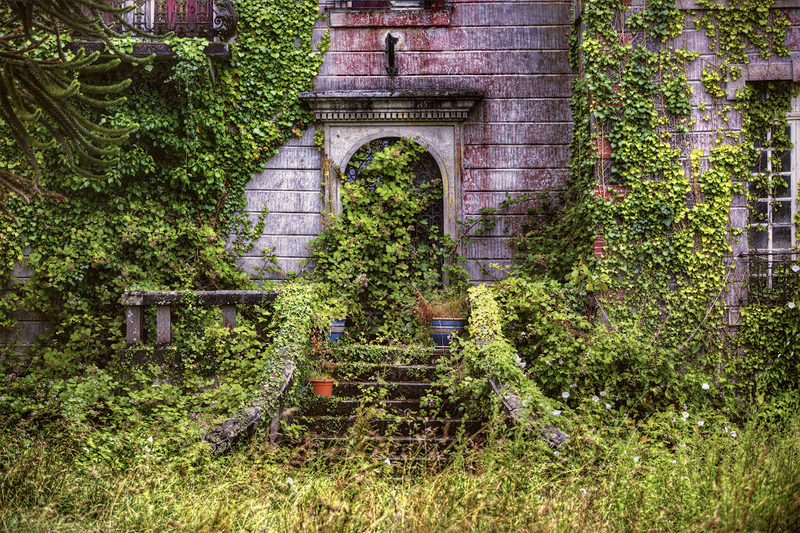
Garden clearance is useful where a space has been left unattended, has accumulated cuttings and debris, or simply needs to be made usable again. The work may involve removing brambles, cutting back thick growth, gathering loose waste, and dealing with areas where beds, paths or corners have become hard to access. In more neglected gardens, a clearance often comes before any finer maintenance can begin.
This kind of work benefits from a practical order of operations. First comes the removal of obvious obstacles and bulky growth, then the tidying of remaining areas, and finally the detail work that improves the garden’s overall appearance. That approach helps avoid missed spots and makes it easier to see which plants should remain, which can be reshaped, and which parts of the garden need further attention later.
If you are unsure how much work a clearance will involve, a few photographs or a simple description can help set expectations. It is useful to mention whether the garden contains loose branches, compostable waste, stubborn weeds or mixed green waste. Clear details usually lead to a clearer quotation, especially where access is awkward or the garden has several separate sections.
Planting, Borders and Seasonal Improvement
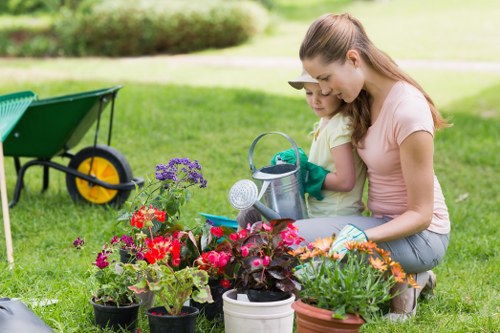
Garden work is not only about cutting back and clearing away. It can also include practical planting support and border improvement where the aim is to make the space more attractive and easier to maintain. That may mean refreshing tired beds, adding selected plants, or reorganising areas that have become thin, crowded or patchy. A small amount of well-judged planting can change the feel of a garden without requiring a full redesign.
Border care often sits between maintenance and landscaping. The task may be to define the edge more clearly, reduce weed competition, cut back spent growth and leave enough room for healthy plants to develop. Seasonal changes matter here, because what looks tidy in winter may need a different approach in spring or summer. The best result usually comes from working with the garden’s existing layout rather than forcing every area into the same treatment.
Where desired, planting can be used to support structure as well as colour. Low shrubs, perennial groupings and simple seasonal displays each create a different effect, and the right choice depends on how much care the area can reasonably receive. If you want us to examine a border, include the overall aim: whether you want lower maintenance, more colour, or a neater edge around existing planting.
Landscape Gardening and Garden Design Changes
Landscape gardening is suited to spaces that need more than routine upkeep but do not necessarily require a complete rebuild. It can cover changes to layout, new beds, the reshaping of existing areas and the introduction of stronger structure across the garden. This is the kind of work that helps a space feel more deliberate, with the planting, surfaces and open areas arranged to work together.
Smaller improvements can be just as valuable as larger ones. Reworking a border, improving the line of a path, or reshaping the edge between lawn and planting can all make a garden easier to maintain and more comfortable to use. Because these jobs vary so much, the quotation process is usually better when the main goal is explained clearly: more order, more usable space, or a better-looking finish overall.
For customers comparing options, it can help to decide whether the project is mainly restorative or more transformative. Restorative work brings a tired garden back into shape. Transformative work changes its layout or character. Both approaches are valid, but they call for different levels of time, materials and planning. Say what you want to change, and the service can be matched to the scale of the job.
About Greenwich
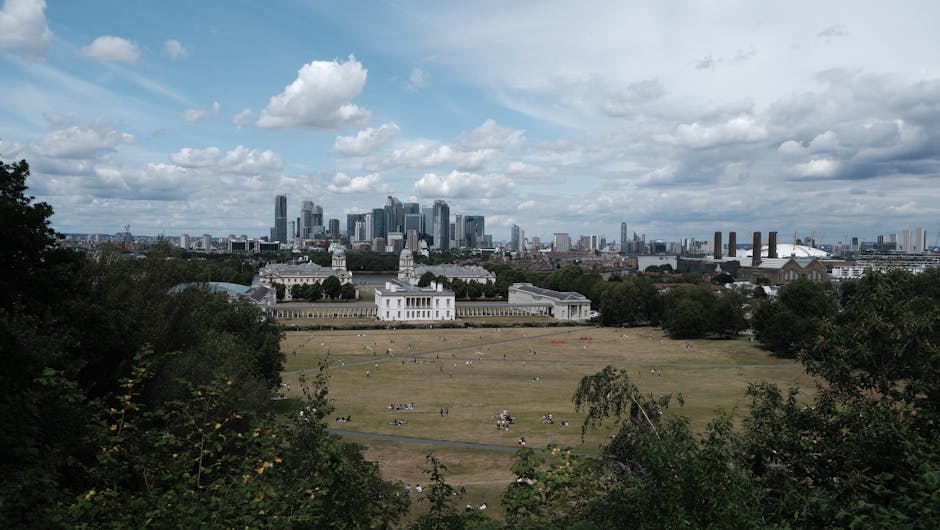
Greenwich is a district in south-east London with a long maritime association and a setting shaped by the River Thames. The area contains the World Heritage Site centred on Maritime Greenwich, where historic buildings and open spaces relate to the national story of navigation, astronomy and royal patronage. The Royal Observatory on the hill above the river is one of the best-known landmarks, while the National Maritime Museum and the Queen’s House help give the district its distinctive cultural identity. Greenwich Park is one of London’s oldest enclosed royal parks and offers broad views across the river and the city beyond. The Old Royal Naval College, with its impressive riverside setting, forms another major architectural feature and reflects the area’s long connection to state and naval history. Nearby, Greenwich Market adds a more everyday layer of activity, mixing food, antiques and craft stalls in a historic setting. The River Thames remains central to the district’s character, with the riverfront, footpaths and transport links reinforcing the relationship between the town centre and the water. The Cutty Sark is also closely associated with Greenwich, acting as both a preserved vessel and a recognisable symbol of the area. Together, these landmarks create a place where historic architecture, open space and active town life sit side by side.
Work Planning, Access and Quotations
When a quotation is being prepared, the most useful information is often the simplest. The main points are the size of the garden, the type of work needed and any practical access issues that could affect the visit. A side path, rear entrance, locked gate or awkward boundary may change how the job is approached, so it is worth mentioning these details up front. If there are plants or areas you want protected, that should be stated clearly too.
It also helps to separate the urgent work from the optional work. For example, a garden might need immediate clearance, but only a few beds may need replanting later. Splitting the job into priorities makes it easier to plan a fair quotation and decide what should be tackled first. Where the space is changing seasonally, you can ask for maintenance that fits the time of year rather than a fixed pattern that may not suit the garden well.
You can see pricing and quotation information if you want to understand the next step before making contact. If you are ready to move forward, send a clear note about the garden and the main service you need. Request a quotation today and we will take it from there.
Tree, Hedge and Boundary Work
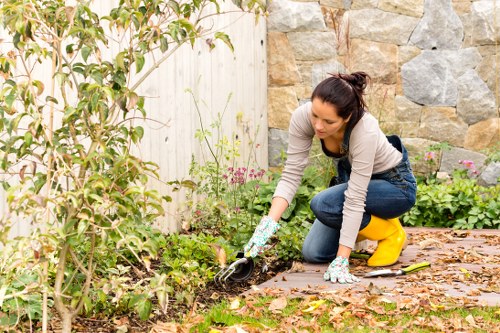
Some gardens need more than basic mowing and tidying because the boundary planting has grown into the usable space or started to dominate the light. In those cases, hedge and light tree-related work can restore shape and help the rest of the garden function properly again. The emphasis is usually on safety, proportion and keeping the planting within a manageable framework rather than removing anything unnecessarily.
Where branches, high growth or boundary shrubs are involved, the approach should be thoughtful and measured. A poor cut can leave gaps or produce uneven regrowth, while a careful reduction supports a cleaner finish and a better long-term result. If the work includes both cutting and disposal, it is best to describe the full scope in one message so the job can be planned sensibly and the right equipment can be allocated.
You can also read more about garden maintenance if your main need is a regular tidy rather than a one-off reduction. For larger projects, our landscaping and landscape gardening pages outline broader options for reshaping outdoor spaces. If you would like to compare all the main service types first, view the services overview and then ask for the quotation that suits your garden best.