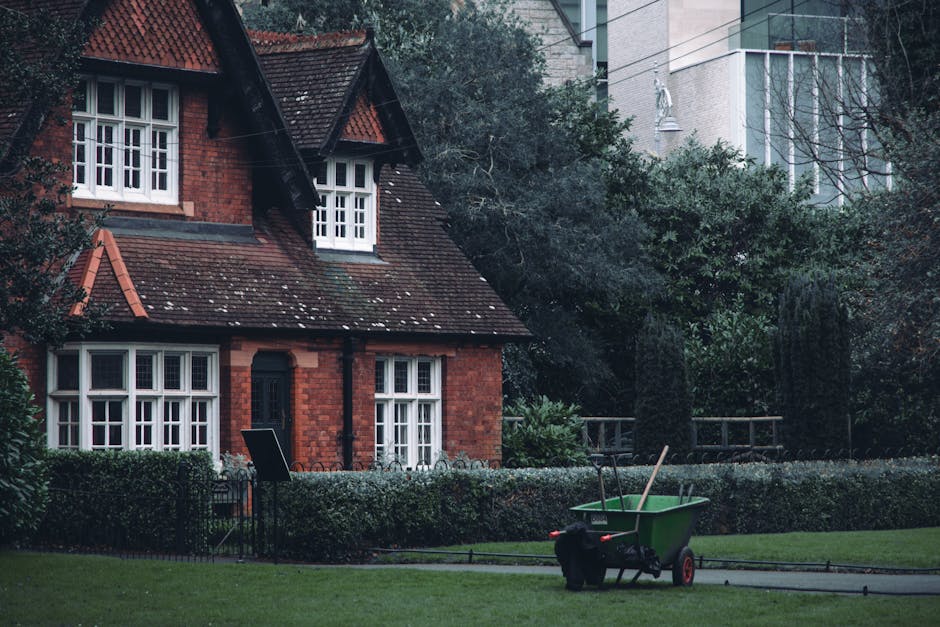
Same day gardener emergencies Greenwich and SE10 areas: fast help when your garden cannot wait
If you need same day gardener emergencies Greenwich and SE10 areas, you are probably dealing with something messy, stressful, or slightly urgent. A fallen branch across a path, storm damage, a hedge that has suddenly become a safety issue, or an overgrown front garden that needs sorting before visitors arrive - these jobs do not sit comfortably in the "I'll deal with it next week" pile.
The good news is that emergency garden help is usually less about drama and more about swift, sensible action. In practice, it means getting the right people to assess the problem quickly, make the area safe, and carry out immediate work that reduces risk and restores order. This article explains what counts as a garden emergency in Greenwich and SE10, how same-day callouts typically work, what to expect, and how to choose the right service without overcomplicating things. To be fair, when the wind has done its worst, the last thing you need is a confusing process.
Table of Contents
- Why Same day gardener emergencies Greenwich and SE10 areas Matters
- How Same day gardener emergencies Greenwich and SE10 areas Works
- Key Benefits and Practical Advantages
- Who This Is For and When It Makes Sense
- Step-by-Step Guidance
- Expert Tips for Better Results
- Common Mistakes to Avoid
- Tools, Resources and Recommendations
- Law, Compliance, Standards, or Best Practice
- Options, Methods, or Comparison Table
- Case Study or Real-World Example
- Practical Checklist
- Conclusion
- Frequently Asked Questions
Why Same day gardener emergencies Greenwich and SE10 areas Matters
Garden emergencies are often judged by sight, but the real issue is risk. A broken fence panel leaning into a neighbour's path, a heavy branch resting on a roof edge, slippery mud at an entrance, or a blocked access route can all become problems very quickly. In a busy area like Greenwich, where homes, shared paths, side access routes, and compact gardens are common, even a small issue can affect neighbours, visitors, tenants, or passers-by.
Same-day response matters because delay usually makes the job harder. Wet debris weighs more. Wind can move unstable branches. Piles of cuttings start to smell and spread. And if your garden is part of a rental property, business frontage, or shared development, the pressure ramps up fast. That is why a prompt, practical service is often the safest first move, not a luxury.
There is also peace of mind in getting an experienced pair of hands on site. A quick callout can turn a chaotic situation into a manageable one, which is exactly what people need at 8am on a windy Tuesday or late on a damp Saturday afternoon. You do not always need a full redesign. Sometimes you just need the place safe again.
Expert summary: In an emergency, the best outcome is not "perfect landscaping" - it is fast hazard reduction, clear access, and a tidy finish that stops a small problem from becoming an expensive one.
How Same day gardener emergencies Greenwich and SE10 areas Works
Same-day garden callouts usually follow a fairly simple pattern. You report the issue, describe what is happening, and explain whether anyone is at risk. A good provider will then decide what can realistically be done that day. Sometimes the fix is immediate. Sometimes the first visit is about making the area safe and returning later for fuller work. That distinction matters.
For example, if a tree limb is hanging low after high winds, the immediate priority may be to secure the area and remove the obvious danger. Full tree work can then be planned separately if needed. Similarly, if your hedge has collapsed onto a walkway, the initial job may be to clear access and cut back the worst of it, with follow-up trimming once things are stable. If you need a broader tidy-up, pages like garden clearance and garden maintenance may also be useful depending on the scale of the job.
In Greenwich and SE10, access can be the deciding factor. Narrow side alleys, basement steps, shared entrances, and limited parking can all affect how quickly a crew can work. A caller who gives clear details upfront helps speed everything along. The more precise you are, the better. A phone photo often saves a lot of back and forth, and frankly it avoids everyone guessing.
Typical same-day work may involve:
- urgent branch or debris removal
- temporary securing of unstable garden features
- clearing blocked pathways and entrances
- cutting back dangerous overgrowth
- removing broken fencing or loose materials
- restoring basic access and visibility
Depending on the issue, a broader service such as hedge trimming, lawn mowing, or tree lopping and removal may be recommended after the urgent part has been handled.
Key Benefits and Practical Advantages
The biggest benefit of emergency gardener support is obvious: speed. But there are a few other advantages that are easy to overlook.
- Safety first. Emergency garden work reduces trip hazards, falling-object risks, and access issues before they become worse.
- Less property damage. Fast action can protect fencing, paving, decking, sheds, and garden structures.
- Neighbour-friendly. In close-knit streets, shared walls and boundaries matter. Quick work keeps tension down.
- Cleaner decision-making. Once the garden is under control, you can think clearly about the next step instead of reacting in panic.
- Better long-term value. Emergency work often reveals maintenance issues early, before they grow into larger repairs.
There is a practical side to this too. A garden that has been cleared, trimmed, or made safe the same day is much easier to manage afterwards. You may discover that what looked like a major crisis was actually a targeted task: a fallen branch, a blocking shrub, or a fence panel that simply needed stabilising. The relief is real.
If the issue involves outdoor structures or worn surfaces, it may also connect to landscaping or decking services where safe repair or replacement becomes part of the longer-term fix.
Who This Is For and When It Makes Sense
Same-day emergency gardening is not just for dramatic storm damage. It is for anyone who needs a fast, sensible garden response in a short timeframe.
This might include:
- Homeowners dealing with a sudden hazard before school runs, guests, or tradespeople arrive
- Landlords and letting agents who need tenant access restored quickly
- Property managers responsible for communal gardens or shared entrances
- Businesses with front-facing planted areas, car park edges, or visible outdoor spaces
- Older residents who want paths, steps, and gate areas made safer without delay
It makes sense when a delay would create a bigger problem than the work itself. Ask yourself: is this just untidy, or is it actually causing risk, blocking access, or inviting damage? That is the line. If the answer is yes, same-day help is usually worth pursuing.
Sometimes people hesitate because they worry the problem sounds "too small". Truth be told, plenty of garden emergencies start small. A loose branch, a damaged hedge, a strip of fallen turf, a sudden weed surge after rain - nothing cinematic, but still annoying and occasionally unsafe.
Step-by-Step Guidance
If you are trying to get urgent garden help in Greenwich or SE10, a calm process works best. Here is a straightforward way to handle it.
- Check the immediate risk. Look for unstable branches, exposed roots, slippery paths, broken glass, or anything sharp. If there is a serious hazard, keep people away from the area.
- Take a few clear photos. Wide shots help show the overall scene. Close-ups help explain the actual problem. No need for a photo essay. Just useful evidence.
- Describe access clearly. Mention side gates, shared hallways, parking restrictions, or any locks and codes that may affect entry.
- Explain urgency honestly. If something is dangerous, say so. If it is time-sensitive because of visitors or tenancy turnover, say that too.
- Ask what can be done today. The best providers will be direct about what is possible immediately and what may need a second visit.
- Confirm the outcome you need. For example, make the path safe, remove debris, trim back a hedge, or clear a boundary line. Clarity saves time.
- Plan the follow-up. Some jobs are emergency fixes first, full tidy-up later. That is perfectly normal.
A useful mindset is to focus on the function of the space, not just the appearance. Can someone walk through safely? Can a gate close properly? Is the front of the property presentable enough for the next 24 hours? Those are the questions that matter most in an emergency.
Expert Tips for Better Results
In our experience, the smoothest same-day jobs are the ones where the customer gives short, specific details. Not a rambling explanation. Just the facts. What happened, when it happened, and what the immediate concern is.
Here are a few expert habits that really help:
- Keep the target simple. Emergency work is about the urgent issue first. Save bigger improvements for later.
- Separate safety from aesthetics. A garden can be safe and still not look perfect. That is okay.
- Choose access over perfection. If a pathway needs clearing before anything else, make that the priority.
- Ask about disposal. Debris removal matters, especially after storms or heavy pruning.
- Be realistic about timing. Same-day is usually about prompt attendance, not magic. If a job needs specialist equipment, that may affect what can be finished.
One small but important point: if overgrowth is the real issue, try not to keep trimming around the edges yourself before the crew arrives. It can make the job messier than it needs to be. A little restraint helps. I know, not exactly thrilling advice, but it works.
For ongoing upkeep after an emergency, a structured services overview can help you think about which tasks should be handled regularly and which are genuinely one-off.
Common Mistakes to Avoid
Emergency garden jobs can go sideways for simple reasons. Most of them are preventable.
- Waiting too long. A leaning branch or unstable fence rarely improves on its own.
- Downplaying the hazard. If there is a trip risk or falling debris, treat it seriously.
- Giving vague instructions. "The garden is a bit messy" is not as helpful as "a branch is blocking the rear path".
- Expecting a full makeover on a same-day visit. Emergency work is often about damage control, not transformation.
- Ignoring disposal and aftermath. Cuttings, branches, and broken material need somewhere to go.
Another common one is assuming the most obvious problem is the only problem. For instance, a storm-damaged hedge may hide broken posts, compacted soil, or damaged edging. The visible issue is just the start. That is why a careful on-site look matters more than a rushed glance from the gate.
Tools, Resources and Recommendations
You do not need specialist gear to request emergency garden help, but a few practical items make the process smoother.
- Phone camera: for quick photos of the issue and access points
- Torch or phone light: useful if the problem is in a shaded corner or rear passage
- Basic gloves and sturdy shoes: only if you need to move carefully around the edge of the area before help arrives
- Short written notes: gate codes, parking details, or any neighbour access information
- A rough priority list: what must be fixed today and what can wait
From a service perspective, it helps to understand the related jobs that often sit alongside emergency callouts. For example, heavy overgrowth may lead into hedge trimming. Wind-damaged shrubs can sometimes be handled during garden maintenance. Bigger clearance work may point toward garden clearance. And if a tree is involved, tree lopping and removal is the natural next conversation.
For customers who like knowing who they are dealing with, it can also be reassuring to read the company background via the about us page before booking anything urgent.
Law, Compliance, Standards, or Best Practice
Garden emergencies are practical jobs, but they still sit within normal UK expectations for safety, access, and responsible work. You do not need to become a legal expert to book help, but a few points are worth keeping in mind.
First, if a hazard could affect neighbours, visitors, tenants, or the public, it is sensible to act promptly. That is just good practice. Second, anyone working near unstable branches, broken structures, sharp debris, or awkward access should do so carefully and with suitable insurance and safety arrangements in place. Third, waste and green material should be handled responsibly, not just dumped somewhere inconvenient. That is especially relevant in London, where access and disposal need a bit of planning.
Reliable providers should also have clear policies around payment, security, complaints, and working standards. Those pages are there for a reason. They show the business takes the job seriously rather than winging it. You may not read them on a panic-filled afternoon, of course, but they matter in the background. If you want to check practical policy information, the site's health and safety policy, insurance and safety information, payment and security details, and recycling and sustainability approach are all sensible places to review.
Best practice in an emergency is simple: make the site safe, communicate clearly, document the issue if needed, and avoid rushing into unnecessary work just because something looks alarming at first glance. Sometimes the careful job is the fast job.
Options, Methods, or Comparison Table
Not every urgent garden issue needs the same response. Here is a plain-English comparison to help you decide what kind of help fits best.
| Situation | Best immediate method | What it usually achieves | Notes |
|---|---|---|---|
| Fallen branch blocking a path | Debris removal and hazard clearance | Safe access restored | May need follow-up tree assessment |
| Overgrown hedge restricting entry | Urgent hedge cut-back | Access and visibility improved | Full shaping can come later |
| Wind-damaged front garden | Garden clearance | Area made neat and usable | Often the fastest route for widespread mess |
| Unsafe tree growth or broken limb | Tree lopping and removal | Immediate risk reduced | May require specialist equipment |
| General neglect plus sudden issue | Emergency tidy-up plus maintenance plan | Safe now, easier later | Often the most sensible long-term choice |
The key decision is whether you need a rapid safety fix or a broader refresh. In many cases, it is both. A same-day visit handles the urgent part, then a proper maintenance or landscaping plan sorts the rest.
Case Study or Real-World Example
Here is a realistic example based on the sort of situation people often face in Greenwich. A homeowner in SE10 wakes up after a blustery night to find a large shrub bent across the front path and loose debris scattered near the gate. Nothing dramatic on the surface, but enough to stop deliveries, make the entrance awkward, and create a proper trip hazard in the morning rush.
The first step is a quick call with clear photos. The problem is explained simply: access is blocked, there is unstable growth, and the area needs to be safe before the day gets busy. A same-day visit is arranged. On arrival, the immediate focus is not on making the garden pretty. It is on clearing the path, removing the broken material, and cutting back the damaged section so no one catches a foot on it.
After the urgent work is done, the homeowner can see what is left: some tidying, a minor reset of the border, and a discussion about whether the hedge should be trimmed properly in the next visit. That is a fairly normal outcome. Not glamorous. But effective. And honestly, that is what most people want when a garden problem lands unexpectedly.
The useful lesson? Emergency gardening is often a two-stage process. Make it safe now, then improve it properly once the pressure is off.
Practical Checklist
Use this checklist when you need urgent garden help in Greenwich or SE10.
- Identify the hazard or blockage
- Keep people away from unstable areas
- Take clear photos
- Note the exact access details
- Say what must be done today
- Mention whether debris removal is needed
- Ask what can be completed same day
- Confirm whether follow-up work will be required
- Check that the area is safe after the visit
- Plan ongoing maintenance if the issue was caused by neglect or fast regrowth
Quick reminder: if the job affects a path, gate, driveway edge, shared boundary, or access to a building, prioritise safety and clearance first. Pretty can wait. Safe cannot.
Conclusion
Same day gardener emergencies Greenwich and SE10 areas are really about fast, calm problem-solving when outdoor spaces stop behaving themselves. Whether it is storm damage, a blocked entry, dangerous overgrowth, or a sudden clearance need, the aim is the same: make the garden safe, usable, and manageable again without unnecessary delay.
The best approach is simple. Explain the issue clearly, focus on the urgent risk, and choose a service that understands both the practical and local realities of working in compact Greenwich properties. If you handle it that way, even a messy day tends to settle down quickly. Not perfectly, maybe. But well enough to breathe again.
Get a free quote today and see how much you can save.
And if this is one of those days where the garden looks like it has had a minor argument with the weather, take a breath - it usually gets better faster than you think.
Frequently Asked Questions
What counts as a same-day garden emergency?
Usually anything that blocks access, creates a safety risk, or needs immediate clearing after damage. Fallen branches, broken fencing, unstable hedges, and storm debris are common examples.
Can emergency garden work include tree problems?
Yes, if the issue involves a dangerous branch, fallen limb, or unstable tree growth. In those cases, tree lopping and removal may be the right follow-up or the right immediate response, depending on the situation.
Do I need to be at home for a same-day gardener visit?
Not always, but it helps. If access is straightforward and you can share clear instructions, some jobs can be completed without you being present. For secure sites, someone is usually needed to provide entry.
How quickly can an emergency gardener arrive in Greenwich or SE10?
That depends on workload, location, access, and the type of problem. Same-day means the visit is arranged for the same day where possible, but timing can vary. The more urgent and clear the problem is, the easier it is to prioritise.
What information should I give first when I call?
Start with the problem, the exact location, whether anyone is at risk, and how to access the property. Photos are useful too. Short and clear works better than a long story.
Is same-day garden help more expensive than normal maintenance?
It often can be, because emergency work needs quicker scheduling and may involve urgent labour or disposal. Exact pricing varies, so it is sensible to request a quote before work begins.
What if the problem is too big to finish on the same day?
That happens. A good provider will usually focus on making the area safe first, then arrange follow-up work. Emergency jobs are often about stabilising the situation before doing a fuller tidy-up later.
Can I combine an emergency visit with hedge trimming or lawn mowing?
Sometimes, yes. If time allows and the urgent issue is handled early, a visit may also include related tasks such as hedge trimming or lawn mowing. But the emergency always comes first.
What should I do before the gardener arrives?
Keep people away from the hazard, take a few photos, and make access as easy as possible. If something is hanging loose or looks unsafe, do not try to fix it yourself.
Are there any safety or insurance considerations I should ask about?
Yes. For urgent work, it is sensible to check that the provider has appropriate insurance and safety procedures. That is especially important where there is broken timber, unstable growth, or awkward access.
Can emergency garden clearing help after storms or strong winds?
Absolutely. Storms often leave scattered branches, fallen material, and blocked paths. A quick clearance visit can restore access and reduce the chance of further damage.
What is the difference between emergency clearance and regular maintenance?
Emergency clearance focuses on immediate problems - safety, access, and urgent removal. Regular maintenance is planned work that keeps the garden in good shape over time. They overlap a bit, but the purpose is different.